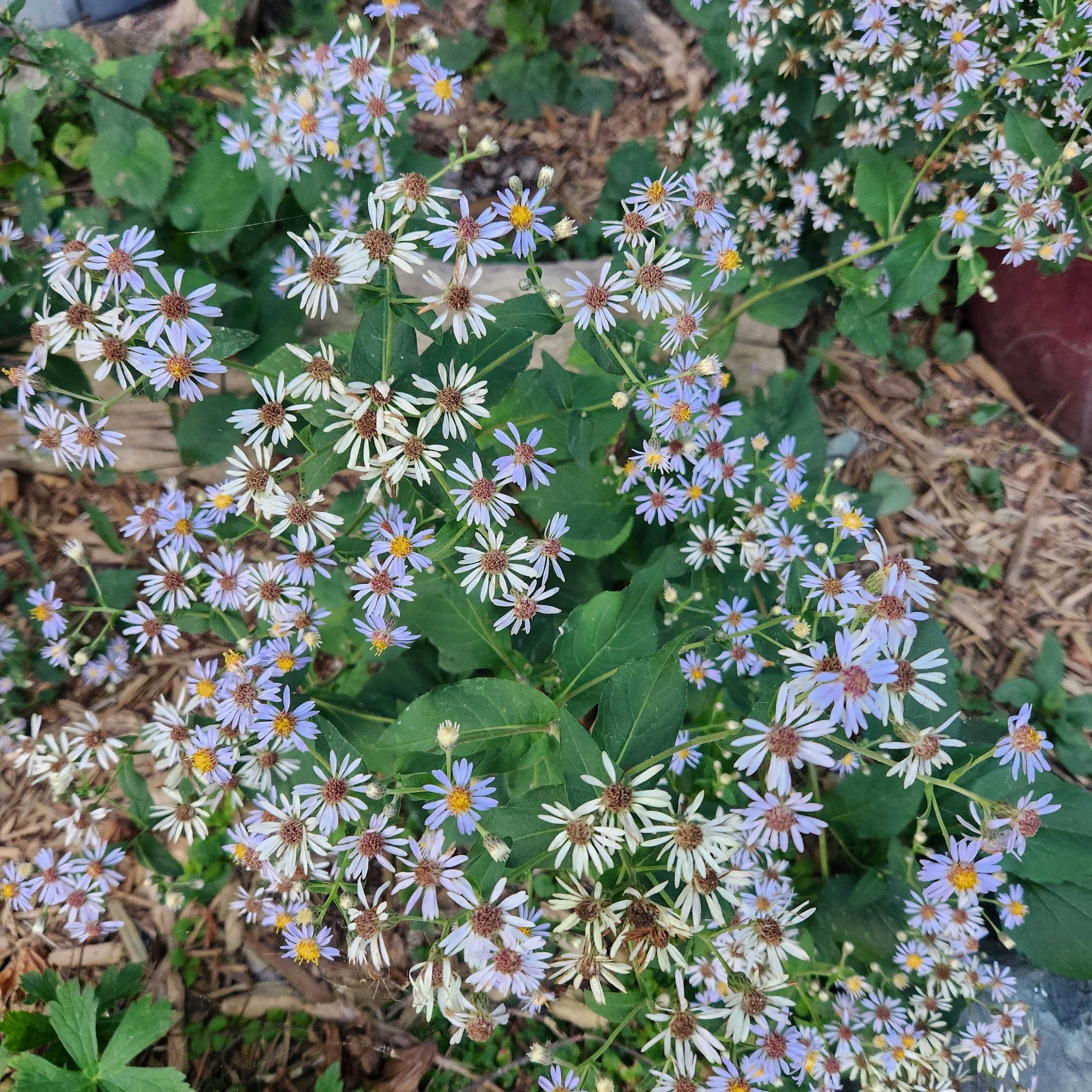
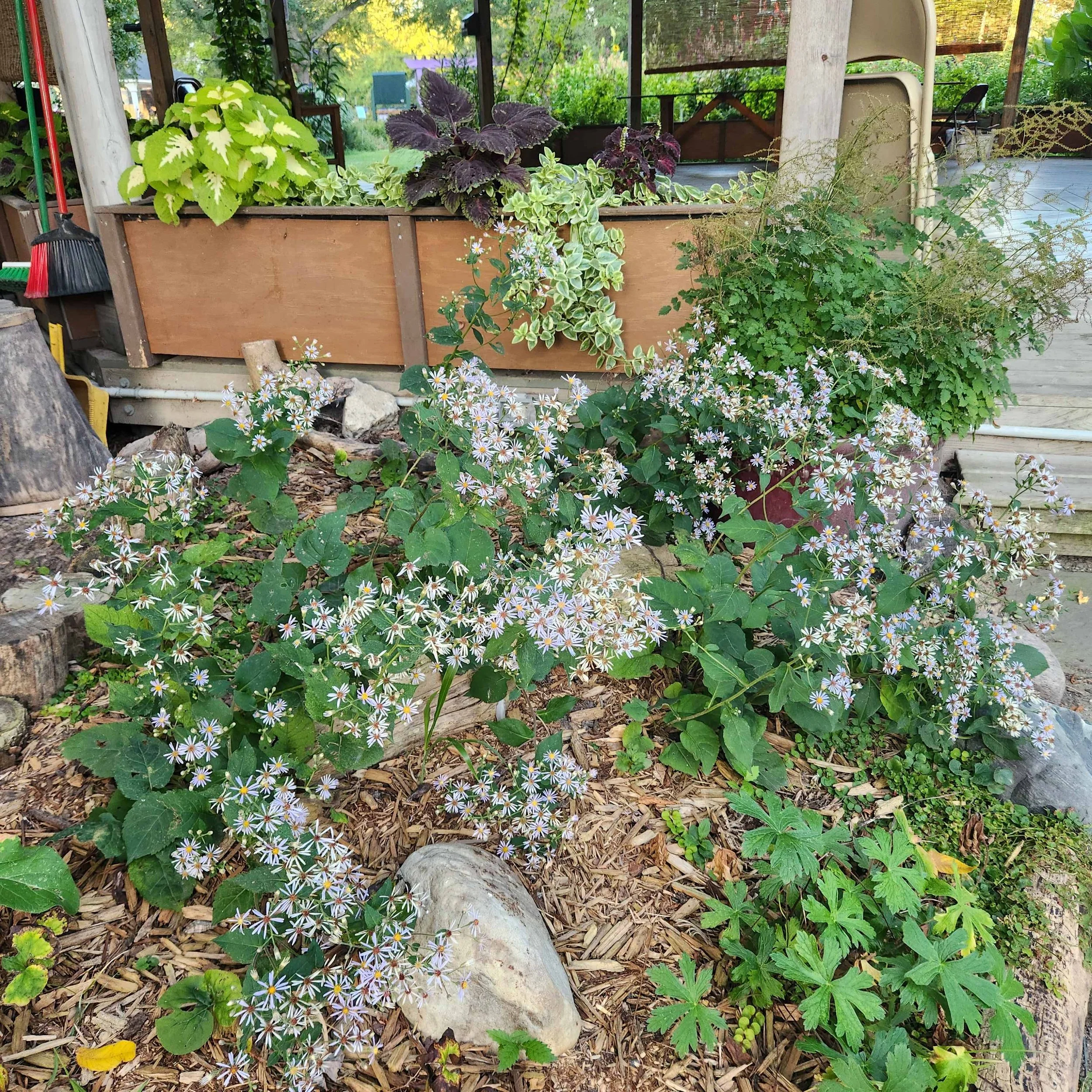
Image 1 of 3
 Image 2 of 3
 Image 3 of 3
eeeeeeeeeeeeeeeeeeeeeeeeee
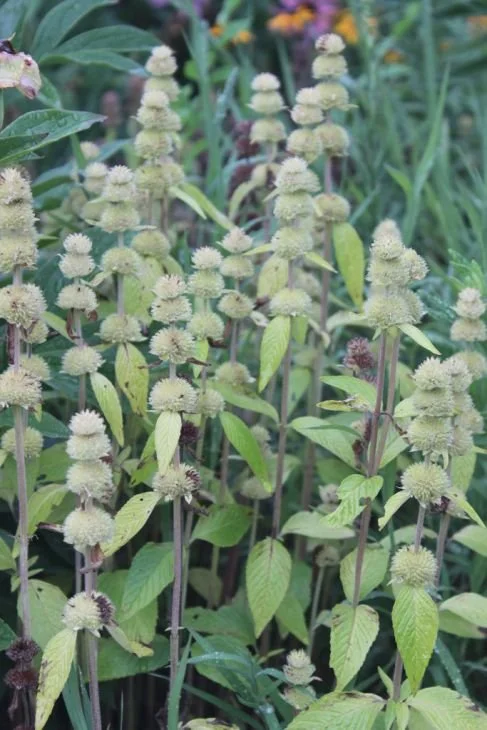
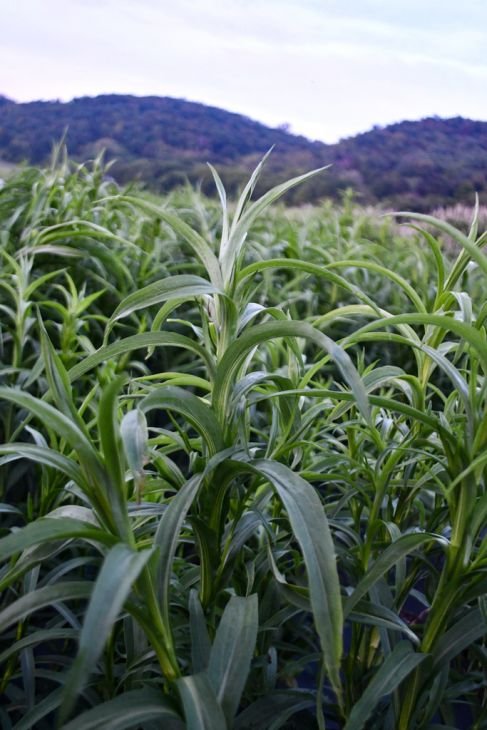
Eupatorium altissimum, Tall Boneset
FS-PS, Zone 4, Blooms Aug-Oct, 4-6’ x 2-3’, med wet - med dry
During our Dahlia Fest which takes place in early September, this plant gets as much attention from visitors as the dahlias do! We tried to overwinter some of these beauties a few years ago, but they didn’t do well in quart pots. We now have large beautiful specimens in larger pots!
Despite its species name (meaning "tallest"), several others in its genus exceed the 3-6' height of Eupatorium altissimum. A rugged, hairy plant of dry-mesic prairies and savannas, Tall Boneset features flattish clusters of white tubular blossoms from late summer through fall. They top a single stem that branches toward the top. Drought tolerance is good. Tall Boneset is very easy to grow, and competes well against other plants. Propagates by seeds and rhizomes. We are always happy to see these volunteers!
It is the Larval Host plant for 32 species of moths in our eastern region. This plant attracts so many pollinating insects that visitors to our gardens from August onwards are often amazed at the insect activity on this plant. It is the host plant for the Pearl Crescent Butterflies. Supports Long-horned and Cellophane specialist bees.
The nectar of the flowers attracts many kinds of insects, including long-tongued bees, short-tongued bees, wasps, flies, small butterflies, skippers, and beetles.
DA Planting Note - In our experience the Tall Boneset plant will slowly grow in size, season to season. We find it spreads more aggresively by seed than by rhizomes. Halei and Nancy anxiously wait for the blooms to use in late summer bouquets.
Eupatorium altissimum, Tall Boneset
FS-PS, Zone 4, Blooms Aug-Oct, 4-6’ x 2-3’, med wet - med dry
During our Dahlia Fest which takes place in early September, this plant gets as much attention from visitors as the dahlias do! We tried to overwinter some of these beauties a few years ago, but they didn’t do well in quart pots. We now have large beautiful specimens in larger pots!
Despite its species name (meaning "tallest"), several others in its genus exceed the 3-6' height of Eupatorium altissimum. A rugged, hairy plant of dry-mesic prairies and savannas, Tall Boneset features flattish clusters of white tubular blossoms from late summer through fall. They top a single stem that branches toward the top. Drought tolerance is good. Tall Boneset is very easy to grow, and competes well against other plants. Propagates by seeds and rhizomes. We are always happy to see these volunteers!
It is the Larval Host plant for 32 species of moths in our eastern region. This plant attracts so many pollinating insects that visitors to our gardens from August onwards are often amazed at the insect activity on this plant. It is the host plant for the Pearl Crescent Butterflies. Supports Long-horned and Cellophane specialist bees.
The nectar of the flowers attracts many kinds of insects, including long-tongued bees, short-tongued bees, wasps, flies, small butterflies, skippers, and beetles.
DA Planting Note - In our experience the Tall Boneset plant will slowly grow in size, season to season. We find it spreads more aggresively by seed than by rhizomes. Halei and Nancy anxiously wait for the blooms to use in late summer bouquets.
eeeeeeeeeeeeeeeeeeeeeeeeee